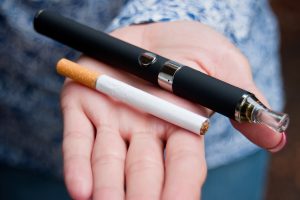
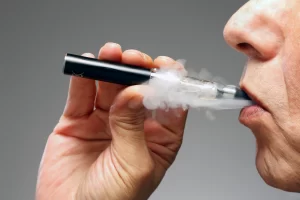
Vaping refers to using electronic cigarettes (e-cigarettes) or similar devices that simulate the experience of traditional cigarettes. The device works by heating a liquid, typically containing nicotine, flavourings, and other chemicals, to generate an inhaled aerosol. Vaping has become increasingly famous as an alternative to traditional cigarettes, with many people viewing it as a healthier option or a way to quit smoking. The popularity of vaping and the availability of flavored e-cigarettes have increased the number of young people using the products.
How does vaping work?
Vaping works by heating an e-liquid or vape juice to produce an aerosol, which is then inhaled into the lungs. The e-liquid typically contains nicotine, flavourings, and other chemicals vaporized by a heating element within the device. When the user inhales, the heating element activates and vaporizes the liquid, which is then drawn into the lungs. The vapor produced by the e-liquid is inhaled similarly to smoking traditional cigarettes, but without the harmful chemicals produced by burning tobacco. Vaping devices come in various shapes and sizes, from small, handheld devices to larger, more complex devices. Some devices use disposable cartridges pre-filled with e-liquid, while others use refillable tanks that can be filled with any e-liquid of the user’s choice. Overall, the basic principle of vaping is to heat the e-liquid to create a vapor that can be inhaled, providing a similar experience to smoking traditional cigarettes without the harmful by-products of burning tobacco.
Benefits of vaping
Vaping has been touted as having several potential benefits over traditional smoking, including:
Less harmful: Vaping is generally less harmful than smoking traditional cigarettes. E-cigarettes do not produce tar and other toxic chemicals from burning tobacco.
Potential to quit smoking: Vaping can be used to quit smoking, as it can help satisfy nicotine cravings while avoiding many of the harmful chemicals found in traditional cigarettes.
Customizable: Vaping devices and e-liquids come in various flavours and nicotine levels, allowing users to customize their vaping experience.
No second-hand smoke: Unlike traditional smoking, vaping does not produce second-hand smoke, reducing the risk of harm to others.
Convenient: Vaping devices are often small and portable, making them convenient to use and carry.
Variety of flavours: Vaping devices and e-liquids come in a wide range of flavours, allowing users to customize their experience.
Adjustable nicotine levels: Many e-liquids have different nicotine strengths, allowing users to control their nicotine intake.
No unpleasant odours: Vaping does not produce unpleasant odours, unlike traditional smoking.
Cost-effective: In the long run, vaping can be more cost-effective than smoking traditional cigarettes.
No fire risk: Vaping does not involve using fire, reducing the risk of fire-related accidents.
Social acceptability: In some places, vaping may be more socially acceptable than smoking traditional cigarettes, as it does not produce second-hand smoke or unpleasant odours.
The popularity of vaping among young people
Vaping has gained significant popularity among young people in recent years. According to data from the US Centers for Disease Control and Prevention (CDC), the number of middle and high school students who utilize e-cigarettes has increased dramatically in recent years. In 2020, approximately 5 million US middle and high school students used e-cigarettes.
Several factors contribute to the popularity of vaping among young people, including:
Wide availability: E-cigarettes and vaping devices are widely available, making them accessible to young people.
Attractive flavors: Many e-liquids come in attractive flavors, such as fruit, candy, and dessert, which appeal to young people.
Perception of safety: Some young people may perceive e-cigarettes as safer than traditional cigarettes, making them more likely to try them.
Peer influence: Young people are often influenced by their peers, and the popularity of vaping among their peers may make them more likely to try it.
Marketing: Vaping products are often marketed in a way that appeals to young people, with advertisements featuring celebrities, social media influencers, and appealing flavors.
How to start vaping?
If you’re interested in trying vaping, there are several steps you can follow to get started:
Choose a vaping device: There are many types of vaping devices available, including e-cigarettes, vaporizers, and mods. Choose a device that fits your needs and preferences.
Select an e-liquid: E-liquids come in various flavors and nicotine strengths. Choose an e-liquid that appeals to you and has the nicotine level you desire.
Charge your device: Make sure your device is fully charged before using it.
Fill the tank:Fill your device’s tank with the e-liquid of your choice.
Turn on the device: Follow the instructions for your device to turn it on and start vaping.
Vape responsibly: Make sure to use your device responsibly and follow any regulations or laws in your area.
Clean and maintain your device: Regular cleaning and maintenance of your device can help to extend its lifespan and ensure that it works properly.
Vaping has gained widespread prominence, especially across Middle East countries. There’s no problem with vaping. You can start vaping anytime you want. Choose a flavor as per your choice and start vaping.